


Getting Road-Trip Ready
With vacation season just around the corner, there is nothing quite like the excitement of mapping out a route, packing up the trunk, and hitting the open road. However, before you point your vehicle toward your next destination, it is vital to ensure your car is just as prepared for the journey as you are. A breakdown on a busy highway can quickly stall your hard-earned vacation plans and drain your travel budget, making a proactive pre-trip inspection an essential part of your packing checklist. This readiness guide is designed to walk you through the most critical automotive systems to evaluate before you depart, ensuring total peace of mind while cruising across state lines.
As you prepare, keep in mind that getting your car road-trip ready involves a mix of tasks. Many basic safety checks-like measuring tire tread with a penny, inspecting your wiper blades, or topping off your engine fluids-are simple enough to tackle yourself right in your own driveway. On the other hand, deeper mechanical evaluations, such as assessing brake pad thickness, testing an aging battery, or checking complex drivetrain components, are often best left to a professional mechanic. By balancing quick DIY inspections with expert care, you can head out on your adventure with complete confidence.
1. Tires, Brakes, and Rotors
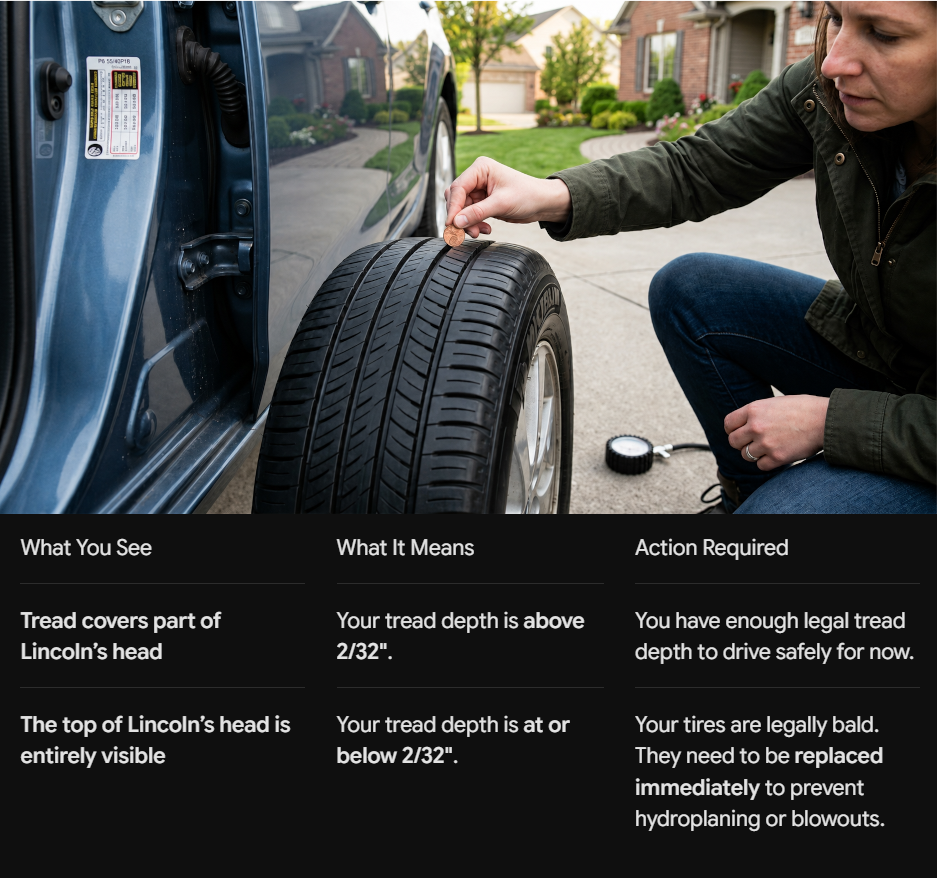
Before you point your hood toward the open highway, a basic walk-around is the most effective way to prevent a headache on the shoulder of I-294. Think of this as your pre-flight check. Start with the tires, which are the only thing between you and the pavement. Checking your pressure when your tires are cold is vital; use the PSI numbers found on your driver-side door jamb rather than the maximum listed on the tire itself. After you have confirmed they aren't under-inflated, perform the classic penny test to ensure your tread depth is well above 2/32". If you notice uneven wear or sidewall cracks, it might be time to look at replacing your tires before your journey begins.
Brakes are equally non-negotiable. If you hear a high-pitched squeal or feel a vibration in the pedal while slowing down in South Side traffic, your pads might be thinning. You want at least 3-4mm of material left to handle sudden stops during a summer rainstorm. Keep in mind, not every state has roads designed for rain the way Illinois does. A firm pedal feel is what you are after; if it feels spongy, you could have air in the lines or a leak. After nine months of school schedules and suburban commutes, the last thing you want is a flat tire while navigating the construction zones near Oak Lawn. A quick visual inspection of your tire sidewalls can reveal hidden dangers like bubbles or embedded nails that haven't quite caused a leak yet. Don't forget to check the spare; it is often the most neglected part of the vehicle until you actually need it.
Ensure your rotors are smooth and your pads are thick enough for a long haul across state lines is essential for peace of mind. Taking these few minutes now prevents your American summer from being interrupted by an avoidable mechanical delay.
2. Engine Fluids
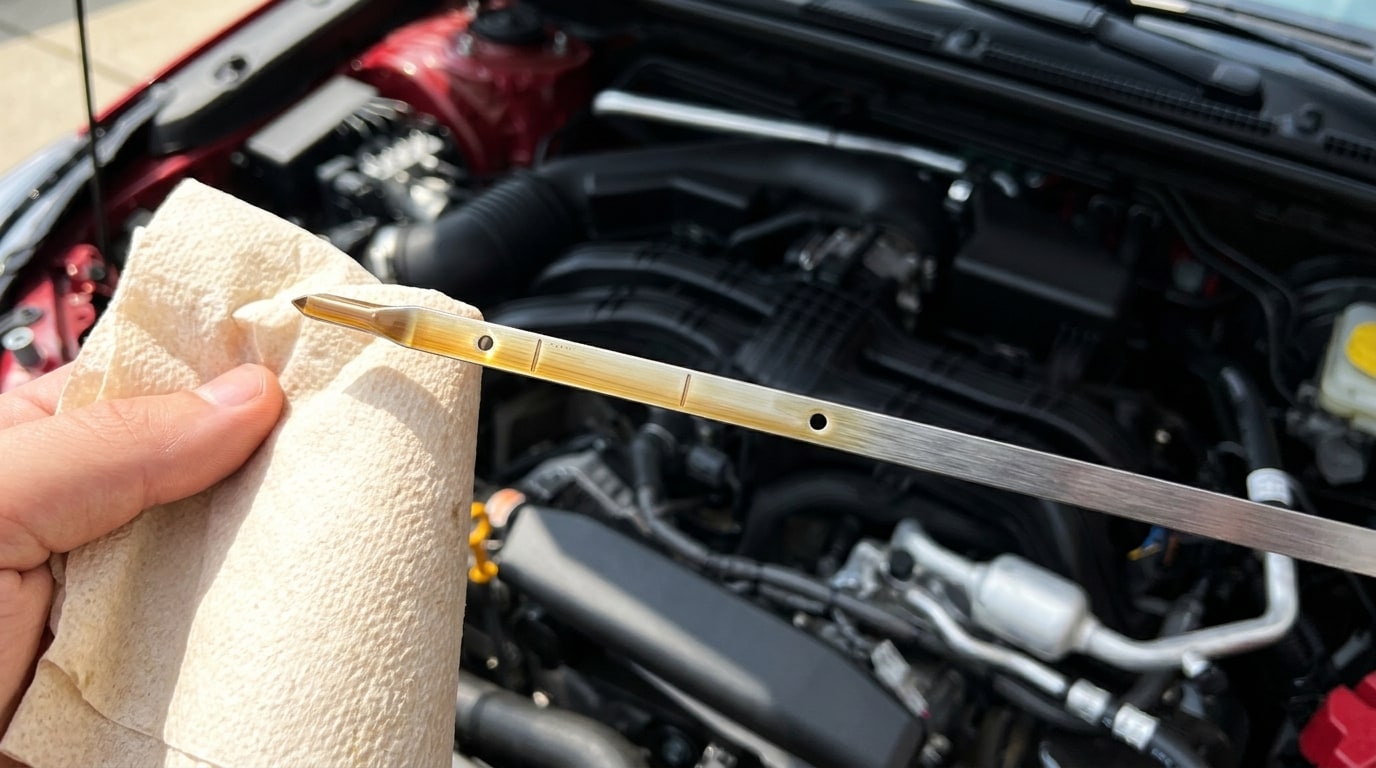
After you've verified the rubber meeting the road, it's time to look under the hood at the fluids that serve as your vehicle's lifeblood. Think of these liquids as the internal climate control for your engine during a humid July afternoon. Checking your engine oil is the first priority; pull the dipstick and inspect the color and level. If the oil appears like dark molasses and you're within 1,000 miles of your next scheduled change, it's smart to handle that maintenance before you depart. Fresh oil handles the sustained heat of a three-hour crawl on I-294 much better than old, broken-down lubricant.
Next, inspect the engine coolant reservoir while the system is cold. The liquid should be vibrant and clear, reaching the "full" line. Murky or rusty-looking coolant is a warning sign that your radiator might struggle when you're cruising down the wide open road. Similarly, your brake fluid should maintain a clear, golden hue. If it looks like dark coffee, it has likely absorbed moisture, which can lead to a spongy pedal feel when you need crisp stopping power during sudden highway slowdowns.
Maintaining these levels ensures your car stays dependable for years to come. Finally, top off your windshield washer reservoir with a high-quality bug-remover formula. A summer in the Midwest is famous for massive insect splats, and having the right solvent makes the difference between a clear view and a smeared mess. Taking these steps after your initial safety check ensures your powertrain remains as cool as a breeze off Lake Michigan.
3. Visibility and Battery
Midwest summers are notoriously unpredictable. One minute you're enjoying a clear sky, and the next you're navigating a sudden torrential downpour while driving down I-80. Visibility is your first line of defense during these shifts. If your wiper blades leave streaks or make a skipping sound, they simply won't handle a heavy storm. Check your exterior lights as well. Have a friend walk around the vehicle while you test the turn signals, brake lights, and high beams. It's a simple five-minute task that keeps you visible to others during those dark, humid nights on the highway.
Your battery is the silent heart of the journey. While winter gets all the bad press for stalling engines, the intense heat of an Illinois July is actually tougher on internal battery chemistry. Pop the hood and look for white or blue powdery corrosion around the terminals. This crusty buildup prevents the charging system from doing its job properly. If your battery is over three years old, it's wise to have a professional load test performed.
Preparing for an road-trip summer means respecting the heat and its effect on your electronics. After checking your lights, use a wire brush to clean the terminals if you see buildup. Taking care of these electrical and visibility components ensures that your focus stays on the scenery rather than the dashboard. Keeping your glass clear and your electrical system strong is a great way to guarantee a smooth arrival.

4. Advanced Care for High-Mileage Adventurers
Believe it or not, hitting the 100,000-mile mark doesn't mean your vehicle is ready to retire-high-mileage cars are actually fantastic for road trips! These seasoned machines are truly built for the long haul, even after years of handling daily city commutes and local grocery runs. To ensure your veteran cruiser handles the sustained heat of the open highway with ease, there are just a few extra items to add to your pre-road trip inspection. Because fluctuating Midwest temperature swings can wear down rubber components, seals, and suspension bushings over time, a quick proactive check is all it takes to guarantee total peace of mind on your next big adventure.
A primary concern for older vehicles is the integrity of the suspension and steering. Over time, ball joints and tie rod ends can develop subtle play that might go unnoticed during low-speed neighborhood drives but can become a safety risk at 70 mph. If you notice a low, rhythmic humming or a drone that changes pitch when you veer slightly, it is often a sign of a failing wheel bearing. Addressing these mechanical whispers before they turn into a roadside shout is the best way to protect your travel budget.
To keep your veteran vehicle running like new, it is often wise to use high-quality replacement parts that meet original manufacturer specifications. Replacing aging spark plugs or refreshing ignition coils can restore lost fuel efficiency, ensuring you aren't overspending at the pump during your trip. If you aren't comfortable performing these deep-dive checks yourself, you can schedule an appointment with a professional technician to verify your vehicle's structural and mechanical health.
Proactively managing these aging components ensures that your vehicle remains a reliable partner for many more seasons to come. Identifying small leaks or worn mounts today prevents a major repair from cutting your vacation short tomorrow!
As far as Road-Trip Readiness, the best rule of thumb is once a vehicle has reached 125,000 Miles, any trip more than 6 hours should have a vehicle inspection first just in case! (and if you need a recommendation on where to schedule one, click here, remember to ask about our Summer Specials!). Always err on the side of caution, and use your best judgement! If you're worried, don't take the risk.
5. Drivetrain and Cooling for the Long Haul (On High Mile Vehicles)
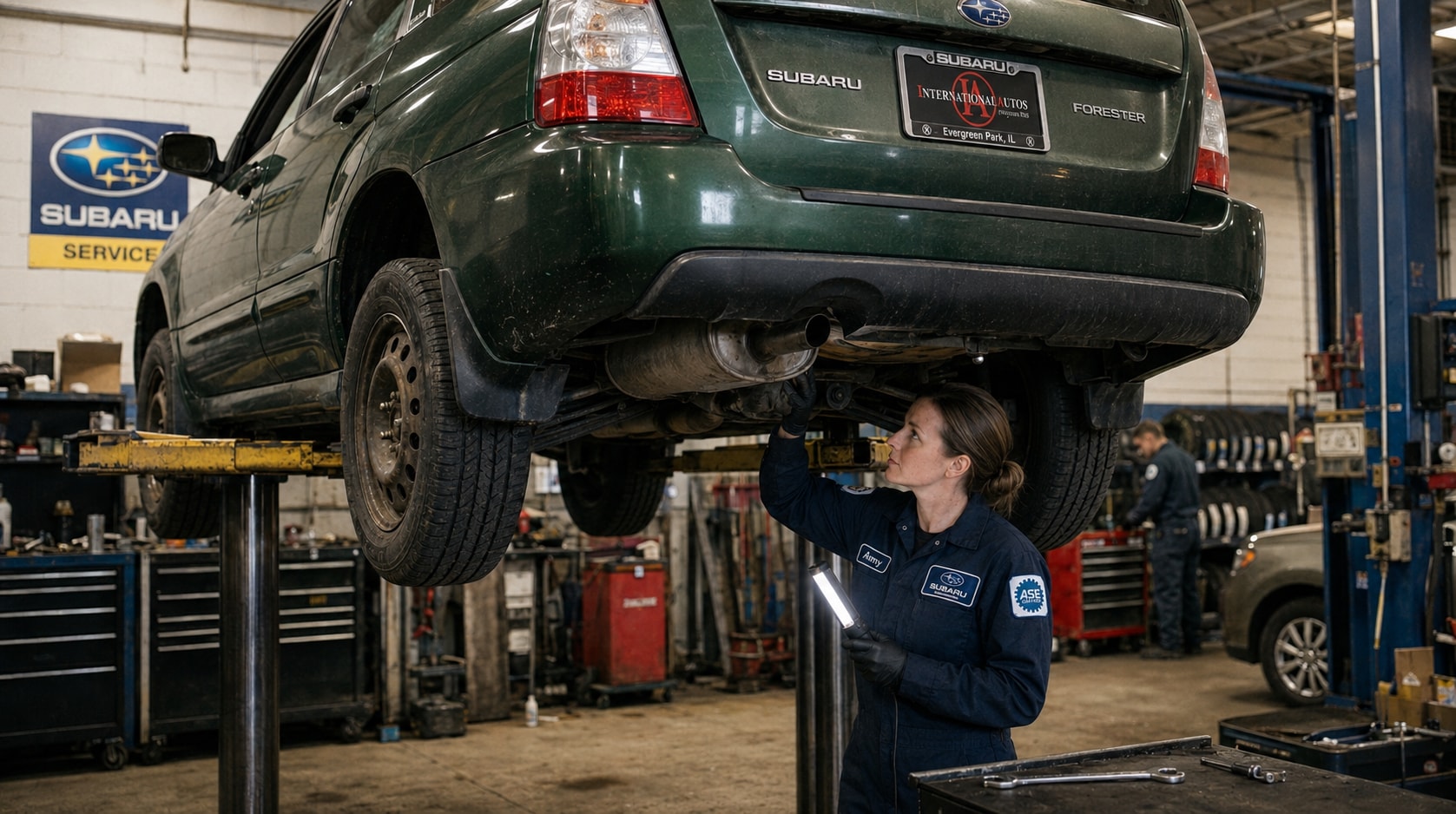
As you prepare for a trek across the state, it's easy to overlook the components working hard beneath your feet. For those navigating 95th street, the frequent stop-and-go traffic can be particularly taxing on a transmission. Before you hit the open highway, checking your drivetrain fluids is a non-negotiable step. Transmission fluid should be bright and translucent; if it smells burnt or looks like dark syrup, it's struggling to protect your gears against the intense heat of a classic American summer.
Don't let a faulty thermostat or a brittle hose turn your getaway into a roadside emergency. High-mileage engines rely heavily on a pressurized cooling system to stay within safe operating temperatures during long hauls. Inspecting the water pump for crusty residue or small weeping leaks can save your engine from a catastrophic overheat. It's also wise to check the radiator cap, as a worn seal prevents the system from holding the pressure needed to keep coolant from boiling over during a long, sun-drenched climb.
If your vehicle happens to utilize a timing belt rather than a chain, verify its replacement history before leaving the driveway. A snapped belt is a trip-ender that often results in permanent engine damage. Similarly, checking for active oil drips from the valve cover or oil pan ensures you won't run dry while cruising at highway speeds. Ensuring these deep-mechanical systems are in top shape allows you to focus on the road ahead rather than the temperature gauge.
6. Long-Term Care and Travel Peace of Mind
When you stay on top of regular maintenance and handle it correctly throughout the year, you completely eliminate the worry of dropping a massive amount of cash on your car right before a road trip. Keeping up with routine care ensures your vehicle is always trip-ready, protecting your hard-earned travel fund from sudden, last-minute repair bills. By making smart, consistent choices, you can confidently hit the highway knowing your money is going toward your actual vacation-not unexpected fixes.